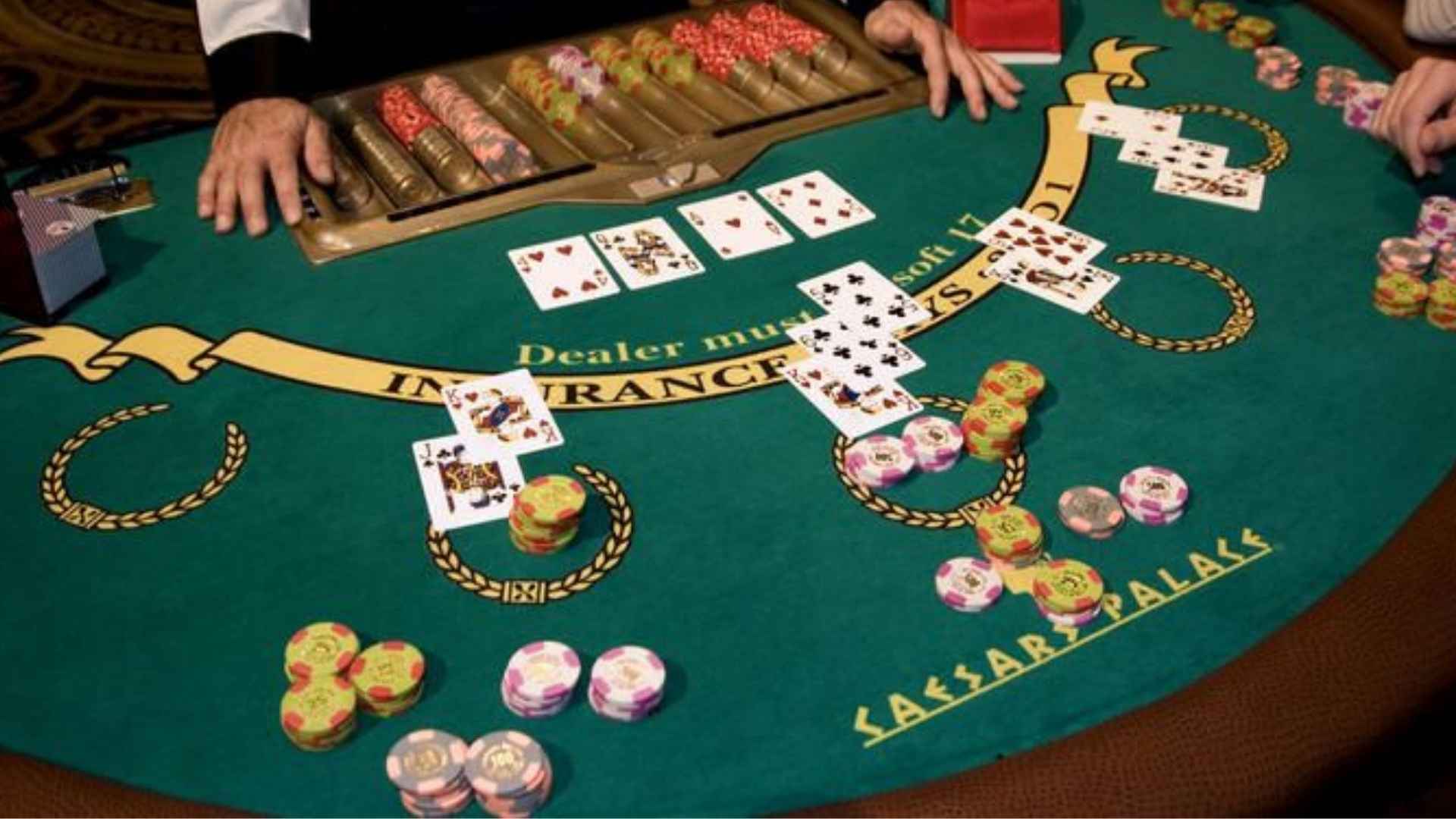
Mastering contract bridge requires a deep understanding of tactical pressure and resource management. Developing multiple threat suits during a hand forces the opposition into difficult defensive decisions and creates unexpected winning routes. By establishing simultaneous dangers across different suits, a skilled declarer can systematically dismantle the opponent's strategy and secure challenging contracts.
Understanding Dual Threats in Bridge Play
Creating multiple threats involves establishing potential winning cards in two or more suits at the same time. This pressure forces defenders to guard against multiple lines of attack, limiting their ability to discard safely. When defenders are forced to defend every suit simultaneously, they often make critical errors that hand control back to the declarer.
A successful dual-threat strategy relies on accurate card counting and identifying which opponent holds the key defensive guards. By carefully monitoring early discards, declarers can determine which threat suit will yield extra tricks first. Managing entries between the dummy and declarer hand is vital to executing this tactic smoothly.
Leveraging Squeeze Tactics to Force Discards
Squeeze play is one of the most effective advanced techniques for generating multiple threats on defense. By running a long, solid suit, declarer forces a defender holding guards in two other suits to surrender one of them. This pressure guarantees an extra trick regardless of which suit the defender chooses to discard.
Recognizing squeeze opportunities requires analyzing the arrangement of missing high cards before playing to the mid-game tricks. Strategic players often refine their tactical reasoning by studying card combinations or exploring gaming insights on m88 奖金 to enhance their analytical focus. Practicing complex hand evaluation ensures that these subtle opportunities are never missed at the table.
Building Entry Bridges Between Hands
Multiple threats are useless if the declarer lacks the necessary communications to cash the resulting winning cards. Maintaining entries in both the declarer hand and the dummy is essential for keeping pressure on the defenders. Losing control of entries too early allows the opposition to neutralize threats before they mature into extra tricks.
Declarers must plan their entry management from the moment the opening lead is made. Preserving high cards in side suits or creating deliberate entry honors in the dummy allows seamless movement across the table. Good timing ensures that once a threat breaks through, it can immediately be converted into a trick.
Disrupting Defensive Signals and Coordination
When faced with multiple threats, defenders rely heavily on precise communication to coordinate their holding cards. Declarers can disrupt this defense by playing cards that obscure suit distribution and mask hand strength. Inducing confusion makes it significantly harder for defenders to know which suit to protect.
By continually testing different suits, declarers test the defenders' patience and mental stamina throughout the session. Small errors in defensive judgment compound over several tricks, leading to ultimate contract success. Consistent application of these pressure techniques elevates standard declarer play into an elite offensive tool.